







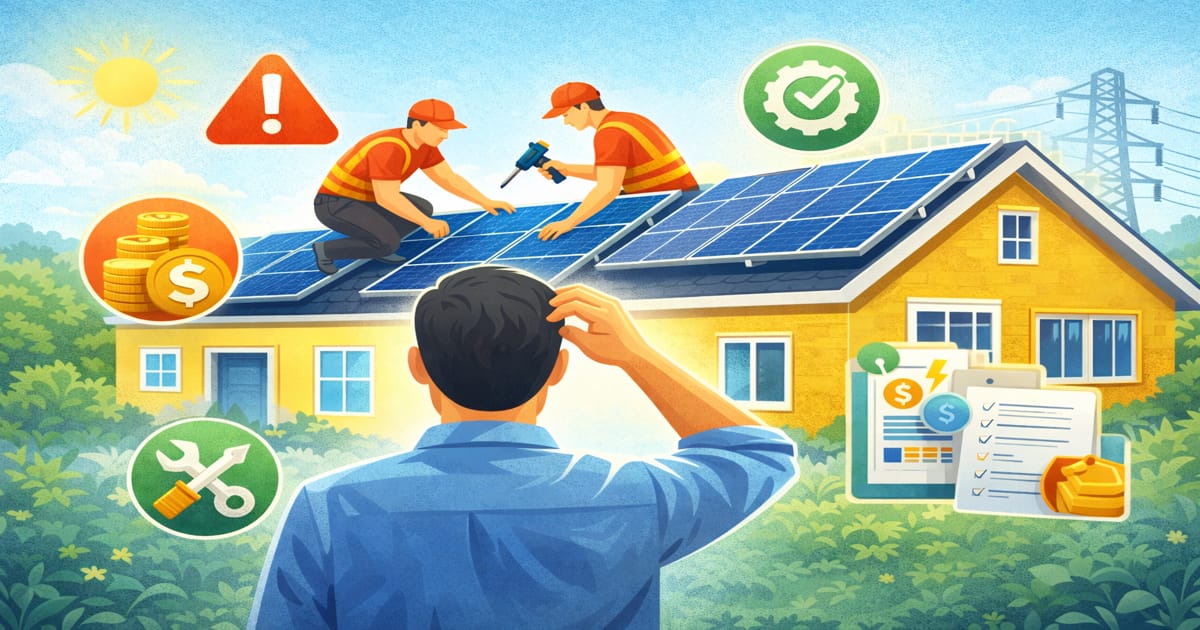
When people decide to go solar, most of their attention goes to panels, batteries, and system size. However, one of the most critical factors in a successful solar project is often overlooked: choosing the right solar installer.
Even high-quality solar equipment can perform poorly if installed incorrectly. This guide is designed to help beginners understand why installer choice matters, what to look for, and how to avoid common mistakes that can lead to long-term problems.
Why Choosing the Right Solar Installer Matters
A solar system is not a plug-and-play product. It is a custom-designed energy system that must be properly planned, installed, and configured.
The installer is responsible for:
- System design and sizing
- Equipment selection and compatibility
- Electrical and structural safety
- Compliance with local rules and standards
- Long-term performance and reliability
A skilled installer ensures your system works as expected for decades, not just on day one.
Common Beginner Mistake: Choosing Based on Price Alone
One of the most frequent mistakes beginners make is selecting an installer solely because they offer the lowest price.
Low-cost installations often result in:
- Poor system design
- Low-quality components
- Unsafe wiring or mounting
- Weak after-sales support
Solar is a long-term investment. A slightly higher upfront cost with a competent installer often delivers better value over time.
What a Good Solar Installer Actually Does
A professional solar installer should:
- Assess your energy usage and goals
- Recommend the right system type and size
- Evaluate installation conditions (roof, shading, structure)
- Use certified and compatible equipment
- Provide clear documentation and warranties
Installation is not just labor—it is engineering, planning, and responsibility.
Key Qualities to Look for in a Solar Installer
Technical Knowledge and Experience
An experienced installer understands how different components work together and how local conditions affect performance.
Transparent Communication
A good installer explains:
- Why a system is sized a certain way
- What equipment is being used and why
- What performance to expect realistically
Avoid installers who promise unrealistic savings or guaranteed outcomes.
Importance of Site Assessment and System Design
A proper site assessment is essential. Installers should evaluate:
- Roof orientation and tilt
- Shading throughout the day
- Structural condition
- Electrical infrastructure
Skipping or rushing site assessment often leads to underperforming systems.
Environmental and Security Risks to Consider Before Choosing a Solar Installer
Solar systems are long-term infrastructure investments, and their performance depends not only on equipment quality but also on how well they are designed for environmental and security risks.
In regions that experience cyclones, flooding, frequent thunderstorms, high humidity, or other extreme weather conditions, installer expertise in risk-aware system design becomes especially important.
🌪️ Extreme Weather: Wind, Storms, and Structural Safety
In cyclone- or storm-prone regions, solar installations must be designed to withstand strong winds and sudden weather events.
A responsible installer should consider:
- Wind-load–rated mounting structures
- Secure roof anchoring and frame design
- Appropriate installation angles to reduce uplift forces
- Additional reinforcement for rooftop systems
Failure to address wind resistance can result in panel damage, roof issues, or complete system failure during severe storms.
🌊 Flood Risk and Water Protection
In flood-prone or low-lying areas, improper equipment placement can expose critical components to water damage.
Installers should plan for:
- Elevated placement of inverters and batteries
- Waterproof or weather-resistant enclosures
- Proper cable routing and drainage pathways
- Protection against prolonged moisture exposure
Water damage is one of the most common causes of premature inverter and battery failure.
⚡ Lightning and Electrical Surge Protection
Lightning strikes and electrical surges pose serious risks to solar systems, particularly in regions with frequent thunderstorms.
A competent installer should address:
- Proper earthing and grounding systems
- Surge protection devices (SPD)
- Safe electrical bonding across components
- Compliance with electrical safety standards
If lightning protection and grounding are not discussed during system design, it is a major red flag.
🌨️ Hail, Heat, and Environmental Stress
Solar panels are designed to withstand harsh conditions, but environmental stress still affects long-term performance.
Installers should account for:
- Panel certifications for hail resistance
- High-temperature performance characteristics
- Adequate ventilation under panels
- Long-term degradation in hot and humid climates
Design decisions made during installation directly affect system lifespan and reliability.
🔐 Theft, Vandalism, and Physical Security
Solar systems—especially ground-mounted or easily accessible installations—can be vulnerable to theft or vandalism.
Security-aware installers consider:
- Secure mounting hardware and tamper-resistant fasteners
- Strategic cable routing to reduce cutting risks
- Physical barriers or controlled access where needed
- Visibility versus accessibility trade-offs
Ignoring physical security can lead to unexpected losses and system downtime.
🚩 Why Risk Awareness Matters When Choosing an Installer
Installers who proactively discuss environmental and security risks demonstrate:
- Practical field experience
- Long-term system responsibility
- Understanding beyond basic installation
An installer focused only on price or panel wattage often overlooks these critical factors.
Understanding Warranties and Responsibility
Beginners often confuse equipment warranties with installation responsibility.
Important distinctions:
- Product warranty covers manufacturing defects
- Performance warranty covers long-term output
- Installation warranty covers workmanship issues
A reliable installer clearly defines who is responsible if something goes wrong.
After-Sales Support and Maintenance
Solar systems require minimal maintenance, but support still matters.
Ask installers about:
- Monitoring and troubleshooting
- Maintenance services
- Response time for issues
- Long-term service availability
An installer who disappears after installation is a major risk.
Red Flags to Watch Out For
Beginners should be cautious if an installer:
- Pushes oversized systems without explanation
- Avoids discussing warranties
- Uses unclear or vague contracts
- Promises unrealistic payback or zero bills
- Refuses to provide references or past work examples
These signs often indicate poor-quality service.
Should You Choose a Local or Large Installer?
Both options have advantages.
- Local installers may offer better personalized service and faster support
- Larger companies may offer standardized processes and broader resources
The key is not size, but competence, accountability, and support.
Questions Every Buyer Should Ask a Solar Installer
Before committing, ask:
- Why is this system size recommended?
- What happens if performance is lower than expected?
- Who handles warranty claims?
- Can the system be expanded later?
- What support is provided after installation?
Clear answers indicate professionalism.
Can a Bad Installer Ruin a Good Solar System?
Yes. Common installer-related issues include:
- Incorrect wiring
- Poor mounting that damages roofs
- Unsafe electrical connections
- Reduced system lifespan
Most solar failures are due to installation quality, not equipment defects.
How Beginners Should Approach Installer Selection
Beginners should:
- Compare multiple installers
- Evaluate proposals, not just prices
- Focus on clarity and transparency
- Think long-term, not just upfront cost
A thoughtful selection process reduces risk and increases satisfaction.
Final Thoughts
Choosing the right solar installer is just as important as choosing the right solar equipment. A well-installed system delivers reliable performance, predictable savings, and peace of mind for many years.
By understanding what installers do, asking the right questions, and avoiding common mistakes, beginners can approach solar projects with confidence and clarity.
A reliable installer plans not only for today’s installation, but for how the system will survive weather, wear, and real-world risks over many years.


