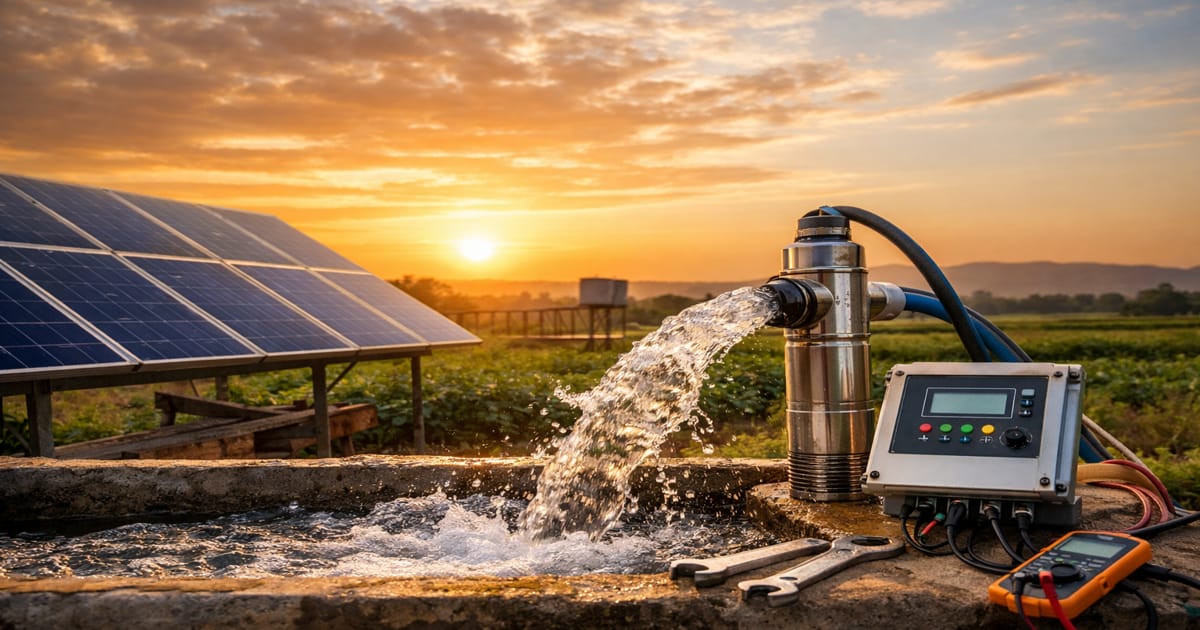
Solar Panels Introduction: A Complete Beginner’s Guide to Buying the Best Solar Panels
Solar panels are the most visible and well-known part of any solar power system. At their core, solar panels are a simple, reliable, and proven technology for generating electricity from sunlight. Yet for people new to solar, choosing the right solar panels can feel confusing due to marketing claims, technical jargon, and the sheer number of brands available.
This guide is written to help beginners clearly understand how solar panels work, what really matters when choosing them, and how to identify the best solar panels for long-term value, not just short-term appeal.
What Are Solar Panels and What Do They Do?
In this guide, we are talking about solar photovoltaic (PV) panels, which generate electricity—not solar hot water systems.
Solar panels convert sunlight into direct current (DC) electricity using the photovoltaic effect. However, homes and businesses use alternating current (AC) electricity. This is why a solar inverter is required—it converts DC electricity from the panels into usable AC electricity.
A complete solar system therefore includes:
-
Solar panels (electricity generation)
-
Solar inverter (power conversion and system control)
-
Mounting system and wiring
-
Optional battery storage
Solar Panel Basics: How Solar Panels Work
Despite major improvements in efficiency, the basic structure of solar panels has remained largely unchanged for decades.
A modern solar panel consists of:
-
Multiple solar cells made from silicon wafers
-
Cells connected together to form a circuit
-
A protective glass layer and weather-resistant backing
When sunlight hits the solar cells, electrons are released and flow as DC electricity. Panels are mounted together on rooftops or ground structures to form a solar array.
High-quality solar panels typically:
-
Last 20–30 years or more
-
Come with long-term performance warranties
-
Have no moving parts, making them highly reliable
Why Choosing Solar Panels Is So Confusing for Beginners
For beginners, the biggest challenge is that most solar panels look almost identical. There is often nothing visually obvious to distinguish a high-quality panel from a low-quality one.
Complicating this further:
-
Marketing brochures use technical buzzwords
-
Installers may promote brands based on pricing or availability
-
“Tier 1” labels are often misunderstood
This is why understanding core performance factors is more important than brand slogans.
What Does “Tier 1 Solar Panel” Really Mean?
The term “Tier 1” is commonly used in solar marketing, but it is widely misunderstood.
Tier 1 is a financial stability ranking developed by BloombergNEF. It:
-
Refers to manufacturer bankability
-
Does not guarantee panel quality or performance
-
Does not eliminate the risk of defects
Tier 1 status should be viewed as one data point, not a decision-maker.
Key Factors That Define a Good Solar Panel
When comparing solar panels, beginners should focus on:
-
Efficiency: How much electricity is produced per square meter
-
Temperature coefficient: How well the panel performs in heat
-
Degradation rate: How quickly output declines over time
-
Warranty strength: Product and performance coverage
-
Real-world reliability: Track record and field performance
The “best” solar panel is not universal—it depends on budget, space, climate, and system design.
Best Solar Panel Brands: Detailed Review
Below is a practical review of well-known and emerging solar panel brands, focusing on strengths, limitations, and suitability.
REC Solar Panels
REC is considered a premium solar panel manufacturer, known for consistent quality and strong long-term performance.
Strengths
-
High build quality and reliability
-
Good performance in real-world conditions
-
Strong warranties on many models
Consider REC if: you prioritise durability and long-term peace of mind over lowest price.
Longi Solar Panels
Longi is a global leader in monocrystalline solar technology.
Strengths
-
High efficiency mono panels
-
Competitive pricing for performance level
-
Strong output in hot climates
Consider Longi if: roof space is limited and efficiency matters.
Jinko Solar Panels
Jinko Solar is one of the world’s largest solar panel manufacturers by volume.
Strengths
-
Excellent value for money
-
Wide global availability
-
Proven performance in residential and utility-scale systems
Consider Jinko if: you want strong ROI without premium pricing.
Canadian Solar Panels
Canadian Solar offers a wide range of panels across budget and performance levels.
Strengths
-
Broad product range
-
Reliable mid-to-upper tier performance
-
Strong international presence
Consider Canadian Solar if: you want flexibility and proven market presence.
JA Solar Panels
JA Solar is known for strong cell technology and competitive performance.
Strengths
-
Good efficiency-to-price balance
-
Widely used in commercial installations
Consider JA Solar if: you want dependable panels from a major manufacturer at competitive prices.
Solarland Panels
Solarland typically targets budget-conscious buyers.
Strengths
-
Lower upfront cost
Cautions
-
Verify certifications, warranties, and local support carefully
Consider Solarland if: budget is tight and product verification is possible.
AtroEnergy Panels
AtroEnergy is an emerging or less-established brand.
Strengths
-
Competitive pricing potential
Cautions
-
Limited long-term performance data
-
Warranty backing and certifications must be verified
Consider AtroEnergy if: you can confirm quality, support, and installer reliability.
Solar Inverter Basics (Why Panels Alone Are Not Enough)
The inverter is the most complex and sensitive component of a solar system.
It:
-
Converts DC to AC
-
Manages system safety
-
Handles grid interaction
Inverters are more likely to experience issues than panels, especially in:
-
High heat
-
Humid conditions
-
Outdoor installations
This is why installer choice and inverter quality are nearly as important as panel selection.
First Steps to Buying Solar Panels
Before requesting quotes:
-
Understand how solar works
-
Decide your energy goals
-
Learn basic system types
-
Set realistic expectations
Solar becomes much simpler when broken into steps.
Guide to Buying Solar: The Full Roadmap
-
Solar Panels Introduction
-
On-grid, Off-grid, and Hybrid Solar
-
Battery Storage – Should You Get Batteries?
-
Solar Calculator – System Size, Cost, Payback & ROI
-
Solar Rebates and Tariffs
-
Best Solar Panels
-
Best Solar Inverters
-
Choosing the Right Solar Installer
Each step builds clarity and reduces decision risk.
Using a Solar Calculator to Plan Your System
A good solar calculator helps estimate:
-
System size
-
Cost range
-
Expected savings
-
Payback period
-
Battery suitability
Calculators provide direction, not guarantees—but they are essential for planning.
Getting Quotes and Choosing a Solar Company
Once you understand the basics:
-
Get multiple quotes
-
Compare system design, not just price
-
Research installer reputation
-
Ask questions confidently
Remember, you are investing in equipment expected to last decades.
Final Thoughts
Solar panels are a mature, reliable technology—but choosing the right panels requires understanding beyond marketing claims. The best solar panels are those that balance efficiency, durability, warranty strength, and real-world performance for your specific needs.
When combined with good system design and a reliable installer, quality solar panels can deliver clean, dependable electricity for decades.
Disclaimer
This content is based on industry experience, research, and feedback from solar professionals. It is provided for educational purposes only. Always verify product specifications, certifications, and warranties before making a purchase decision.